Tattoo Placement Guide: How to Choose the Right Spot
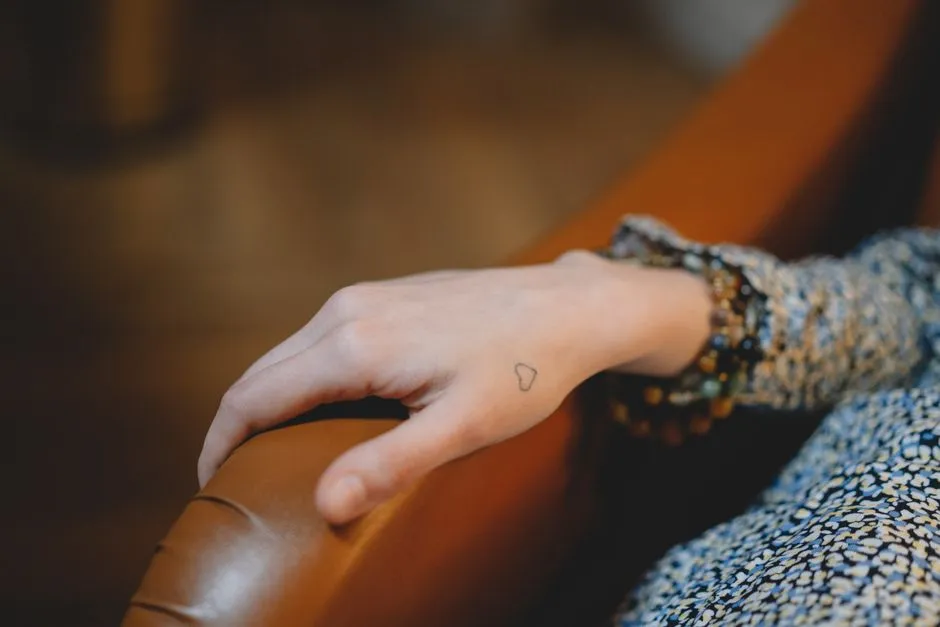
How to Choose the Right Tattoo Placement
Tattoo placement is the decision of where on your body a design will live, and it matters as much as the design itself. The right spot depends on four things: how visible you want the tattoo to be, how much pain you can tolerate, how well that area holds ink as skin ages, and whether the placement suits the size and shape of the design. Get those four factors right and you'll rarely regret a spot; ignore them and even a beautiful design can end up blurred, hidden, or resented.
This guide walks through each factor, compares the most popular placements, and gives honest recommendations for a first tattoo. Your artist should always have the final word on how a specific design fits your specific body — but you'll get far more out of that consultation if you arrive knowing what you want and why.
The Four Factors That Should Drive Your Placement Decision
1. Visibility: who sees it, and when
Start with the practical question most people skip: do you want to see this tattoo every day, and do you want everyone else to?
- Always visible (to you and others): hands, fingers, forearms, neck. These make a statement and can't easily be covered by everyday clothing.
- Visible to you, easy to cover: inner forearm, wrist, upper arm, ankle. You get to enjoy the tattoo daily while keeping the option to cover it with sleeves or socks.
- Hidden by default: back, ribs, thigh, hip, shoulder blade. Others only see it when you choose.
Workplace norms around visible tattoos have relaxed in many industries, but they haven't disappeared everywhere. If your career path is uncertain — or you work in a conservative field — a coverable placement keeps every door open. There's a reason many artists gently steer first-timers away from hands and necks: they're the hardest to cover and among the trickiest to keep looking crisp.
2. Pain: what you're realistically signing up for
Pain varies by person, but the pattern across body areas is consistent. Spots with more muscle and fat padding hurt less; spots where skin sits close to bone or nerve clusters hurt more.
- Generally more tolerable: outer forearm, outer upper arm, shoulder, calf, outer thigh.
- Middle of the road: inner forearm, upper back, wrist.
- Notoriously tough: ribs, sternum, spine, feet, ankles, hands, fingers, inner bicep, armpit, kneecap and elbow.
Session length matters too — a spot you could tolerate for 30 minutes may become grueling over three hours. If pain is a major concern, size the design and the session to match the placement. For a full area-by-area breakdown, see our tattoo pain chart.
3. Aging: which placements stay sharp for decades
A tattoo is a long-term resident of living skin, and some neighborhoods treat it better than others. Three things degrade tattoos over time: sun exposure, friction, and skin stretching or thinning.
Placements that tend to age well:
- Upper arm and shoulder — thick, stable skin that's usually covered by clothing, so it gets less sun.
- Outer forearm — stable skin, though it catches sun, so long-term sunscreen habits matter here.
- Back and shoulder blade — large, flat, low-friction canvas that rarely sees direct sun.
- Calf and outer thigh — stable, muscular areas with minimal stretching.
Placements that tend to age faster:
- Hands and fingers — constant washing, sun, and friction mean ink here commonly fades or blurs sooner and often needs touch-ups. Finger tattoos are especially prone to patchy healing.
- Feet — friction from shoes and thin skin work against crisp lines.
- Inner wrist and palm-side skin — high-contact areas that see a lot of wear.
- Ribs and stomach — significant weight changes and pregnancy can stretch skin here, which can distort a design.
- Inner bicep and other soft, thin-skinned areas — fine detail can soften faster than on firmer skin.
None of this means "never tattoo your hands or ribs." It means go in with accurate expectations: some placements are a decades-long crisp investment, and others are a higher-maintenance choice you make with open eyes.
4. Fit: matching the design to the body's shape
Good artists design for a placement, not just on it. A few principles they work from:
- Long designs suit long spaces. Snakes, script, and botanical stems flow naturally along the forearm, spine, or shin.
- Round and compact designs suit rounded areas. Mandalas and emblems sit well on the shoulder, chest, or thigh.
- Fine detail needs room. Intricate linework packed into a tiny space tends to blur together as ink spreads slightly over the years. If you love micro designs, browse our guide to small tattoo ideas that age well for styles and sizing that hold up.
- Follow the muscle. Designs that curve with the natural lines of the arm, leg, or back look intentional; designs plopped against those lines can look like stickers.
Bring your design to the consultation and ask your artist where it wants to live. They map bodies for a living, and a small placement adjustment they suggest — rotating a piece, moving it two inches, scaling it up — is usually the difference between good and great.
Popular Tattoo Placements Compared
| Placement | Pain level | Ages | Easy to cover? | Best for |
|---|---|---|---|---|
| Outer forearm | Low–moderate | Well (with sun care) | With sleeves | First tattoos, script, linework |
| Inner forearm | Moderate | Well | With sleeves | Meaningful pieces you see daily |
| Upper arm / shoulder | Low | Very well | Yes | Almost anything; great first spot |
| Wrist | Moderate | Moderate | With sleeves/watch | Small, simple designs |
| Ribs / sternum | High | Moderate | Yes | Larger pieces; experienced sitters |
| Spine / back | Moderate–high | Very well | Yes | Large or long vertical designs |
| Thigh | Low | Very well | Yes | Big detailed pieces, first tattoos |
| Calf / shin | Low–moderate | Well | Yes | Medium-to-large designs |
| Ankle / foot | High | Faster fading | With socks/shoes | Small designs; accept touch-ups |
| Hands / fingers | High | Fastest fading | No | Committed collectors only |
| Neck / behind ear | High | Moderate | Rarely | Bold statements; think hard first |
Pain ratings are tendencies, not guarantees — individual tolerance varies a lot.
Best Tattoo Placement for a First Tattoo
For most people, the best first-tattoo placement is the upper arm, shoulder, outer forearm, or thigh. These spots share the qualities that make a first experience good:
- Manageable pain, so you can sit still and let the artist work cleanly.
- Stable skin that ages well, so your first piece still looks good at your ten-year mark.
- Flexible visibility — show it off or cover it with ordinary clothing.
- Room to work, so the design doesn't have to be compromised to fit.
Placements to think twice about for a first tattoo: hands, fingers, neck, face, ribs, and feet. It's not gatekeeping — it's that these combine high pain, faster aging, hard-to-hide visibility, or all three, and they're better chosen once you already know how your body handles tattooing and healing.
One more first-timer note: healing is part of the placement decision. A spot that constantly rubs against waistbands, bra lines, or shoe collars is harder to keep clean and moisturized during the two-to-four weeks of surface healing. Whatever spot you choose, follow established healing practice from day one — our day-by-day tattoo aftercare guide covers exactly what to do and what to avoid.
Least Painful Tattoo Placements
If minimizing pain is your priority, the consistently gentlest areas are the outer upper arm, shoulder, outer forearm, outer thigh, and calf — all well-padded with muscle and away from bone and dense nerve endings. The wrist and upper back are usually a step up but still manageable for most people.
The spots to avoid if you're pain-averse: ribs, sternum, spine, ankles, feet, hands, fingers, inner bicep, armpit, and anywhere skin sits directly over bone. Numbing creams exist, but policies vary by artist and they can affect how skin takes ink — if you're considering one, ask your artist before your appointment rather than applying anything on your own.
So, Where Should You Get Your Tattoo?
Work through these questions in order, and the answer usually reveals itself:
- Do you need to be able to cover it? If yes, cross off hands, fingers, neck, and face.
- How's your pain tolerance — honestly? If untested, cross off ribs, sternum, feet, and spine for now.
- Do you want this crisp in 20 years with minimal upkeep? Favor upper arm, shoulder, back, forearm, thigh, calf.
- Does the design's shape suit the spot? Long designs on long areas, round designs on rounded ones — and enough room for the detail level.
- What does your artist say? Book a consultation, bring your design, and treat their placement advice as expert input, not upselling.
If several placements survive that filter, pick the one you'll enjoy seeing most. A tattoo you placed thoughtfully — where it fits your body, your life, and your future — is one you'll never have to explain away.